


11 Oct How to Choose a Design and Build Contractor in London
Hiring a building contractor for a luxury refurbishment in central London is one of the biggest financial commitments a homeowner will make — and one of the easiest to get wrong. The difference between a well-managed project and a disastrous one often comes down to the contractor you choose, not the specification you write.
This guide explains what a design and build contractor actually does, why this approach suits high-end residential projects in areas like Chelsea, Kensington and Belgravia, and what to look for (and avoid) when making your choice.
What Does a Design and Build Contractor Do?
In a traditional procurement model, a homeowner hires an architect to design the project, then separately appoints a building contractor to carry out the work. The architect produces drawings, the contractor prices them, and if anything is unclear, ambiguous or missing from the drawings — which happens on virtually every project — the homeowner is caught in the middle, mediating between two parties who may have conflicting interpretations of the same plan.
A design and build contractor takes responsibility for both the design development and the construction, delivering the project under a single contract. This does not mean the architect is removed — it means the architect works within the contractor’s team (or is directly appointed by them), so design decisions and buildability are considered together from the outset.
The result is fewer surprises, tighter cost control and a single point of accountability. If something goes wrong, there is no grey area about whose responsibility it is.

Traditional vs Design and Build: Which Is Right for Your Project?
Both approaches have their place, but for most residential refurbishment projects in central London — particularly those in the £50,000 to £1 million range — the design and build model tends to deliver better outcomes. Here is why.
A traditional contract works well when the design is fully resolved before construction begins, when the homeowner wants to retain close control over every design decision through an independent architect, and when the project is straightforward enough that the gap between drawings and reality is small.
A design and build contract works better when the project involves structural complexity (period properties, basement work, rear extensions), when the homeowner wants a fixed or guaranteed maximum price, when speed matters because the contractor can begin enabling works while design details are still being finalised, and when the homeowner does not want to project-manage the relationship between architect and builder.

Design and Build Strengths
- Single point of responsibility
- Cost certainty from an earlier stage
- Faster delivery — design and construction can overlap
- Fewer disputes between architect and contractor
- Better suited to complex refurbishment in period buildings
Traditional Contract Strengths
- Architect works solely for the homeowner
- Greater design independence
- Competitive tendering across multiple builders
- Better suited to new builds with fully resolved designs
- Clearer separation of roles
What to Look For in a Design and Build Contractor
Not all design and build contractors are equal. In central London’s luxury residential market, the following criteria separate the good from the mediocre — and should form the basis of your shortlisting process.
Relevant experience in your area. A contractor who has completed multiple projects in Chelsea or Kensington will know the local planning authorities, understand conservation area requirements, have established relationships with structural engineers and party wall surveyors who work in those boroughs, and be familiar with the specific challenges of the housing stock — low basement ceilings, terraced party walls, restricted site access.
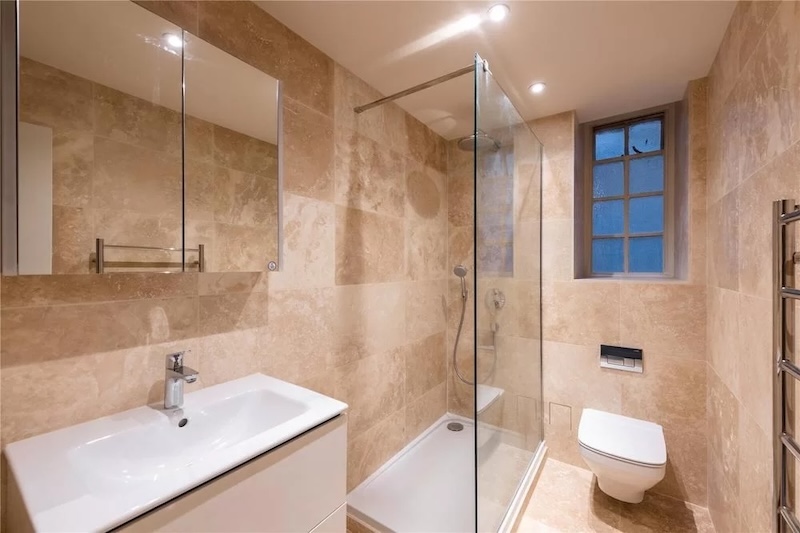
A portfolio of comparable projects. Ask to see completed work at a similar scale and specification to yours. A contractor whose portfolio is mostly new-build apartments will not necessarily have the skills or approach needed for a full refurbishment of a Victorian townhouse. Look for evidence of period detailing, bespoke joinery and high-end finishes.
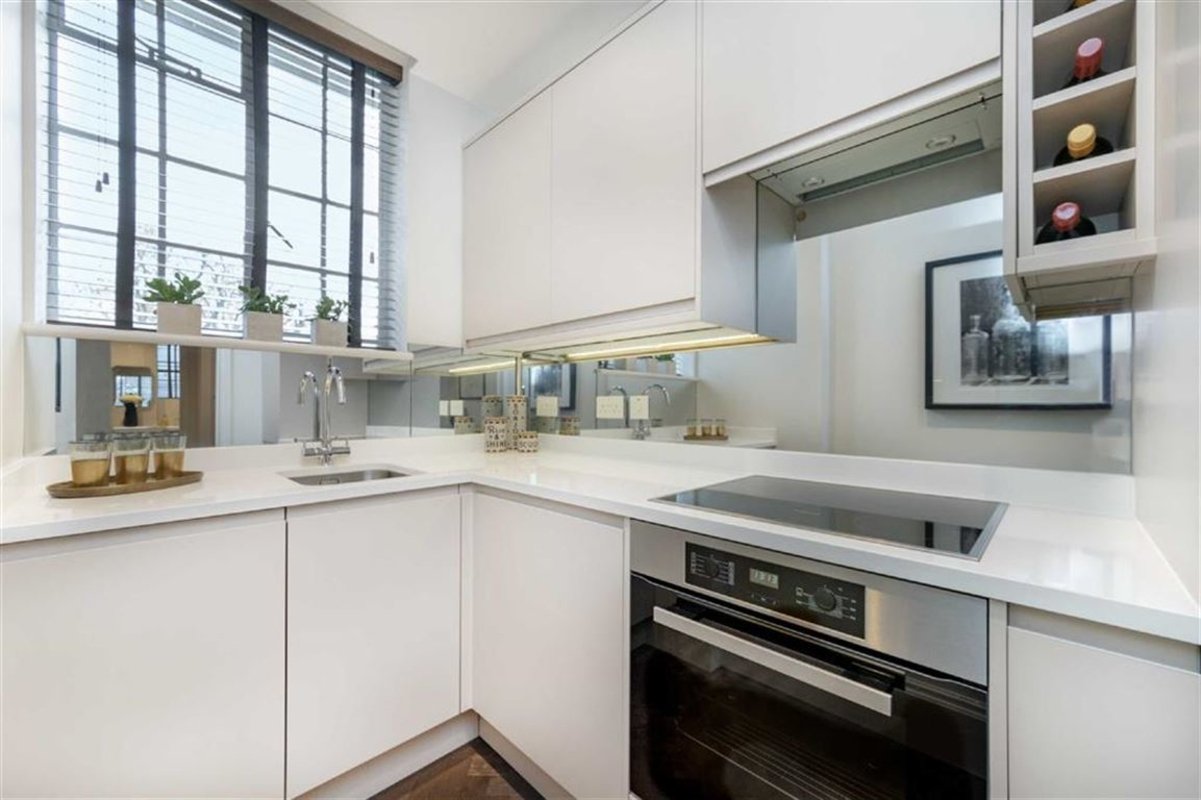
Transparent pricing. A credible design and build contractor will provide a detailed cost breakdown, not a single lump-sum figure. You should be able to see what is allocated to structural work, first fix, second fix, kitchen supply, bathroom supply, decoration and contingency. If the quote is a single number with no breakdown, walk away.
In-house project management. On a luxury refurbishment, having a dedicated project manager who is on site daily — not managing three other jobs simultaneously — makes a significant difference to quality and programme. Ask how many projects each project manager oversees at any one time.
Clear communication and reporting. Weekly progress reports with photographs, updated programme schedules and transparent cost tracking should be standard. If a contractor cannot explain clearly how they will keep you informed, they will not keep you informed.
Adequate insurance. At a minimum, look for employer’s liability insurance, public liability insurance (£5 million or more for central London projects) and contractor’s all-risk cover. Ask to see certificates — not just be told they exist.
Red Flags to Watch For
Over the years, homeowners who come to us after a failed project with another contractor describe remarkably similar warning signs — signs that were often visible from the very first meeting.
A quote that is significantly cheaper than everyone else’s. In central London’s luxury market, the costs of skilled labour, quality materials and proper project management are broadly similar across reputable firms. If one quote is 30% below the others, it is not because they have found a secret efficiency — it is because something has been left out, underpriced or will be claimed as a variation later.
Reluctance to provide references. Any contractor worth hiring will happily connect you with previous clients. If they cannot or will not, that tells you everything.
No written contract. A handshake agreement or a one-page quote is not a contract. A proper building contract — whether a JCT Minor Works, an FMB contract or a bespoke agreement — protects both parties and sets out payment terms, programme, specification, variation procedures and dispute resolution. No contract means no recourse.
Demanding large upfront payments. A reputable contractor will agree to staged payments tied to work completed and verified. Asking for 30–50% of the contract value upfront before any work has started is a significant red flag.
Questions to Ask Before You Appoint
Before signing with any design and build contractor, work through these questions. The quality of the answers will tell you a great deal about how the project will be managed.
How many projects are you currently running? A small firm running eight jobs simultaneously will not give yours the attention it needs. Understand their current workload and capacity.
Who will be my day-to-day contact? You want to know who the project manager is, how often they will be on site, and whether they will be there for the duration or rotated across projects.
How do you handle variations and unforeseen costs? In period properties, surprises are inevitable. A good contractor will have a clear process for flagging variations, pricing them transparently and seeking approval before proceeding.
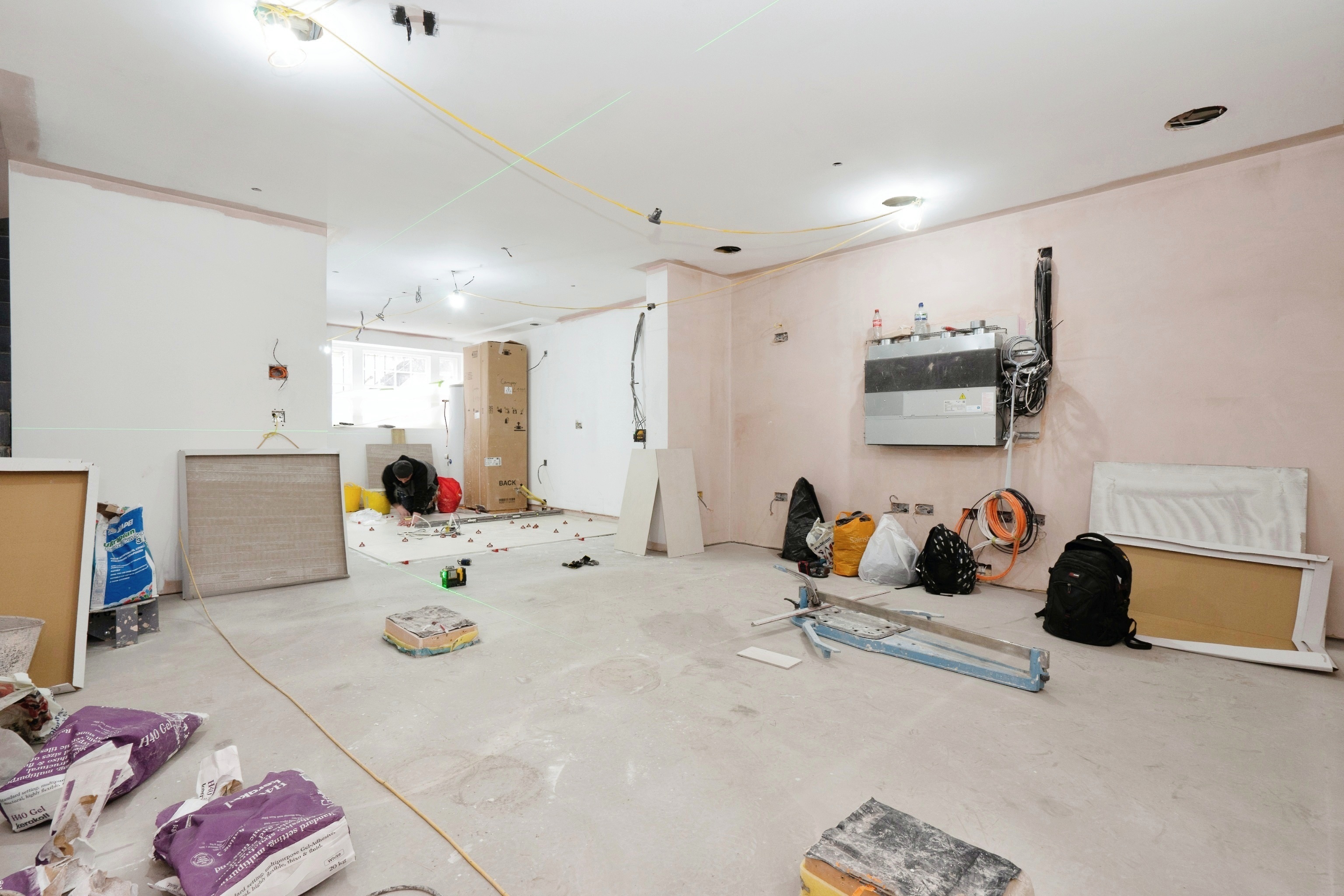
Can I visit a project currently on site? Seeing a contractor’s work in progress tells you more than any brochure. Look at how tidy the site is, how materials are stored, how the trades interact and whether there is a clear sense of organisation.

Why Local Knowledge Matters in Central London
Central London is not like the rest of the country — or even the rest of London — when it comes to residential construction. The boroughs of Kensington and Chelsea, Westminster and Camden each have their own planning cultures, conservation policies and enforcement approaches.
A design and build contractor with deep local experience will know which planning officers handle applications in which areas, what design approaches have been approved (and rejected) on similar properties nearby, how to manage construction logistics on narrow residential streets with restricted parking, which suppliers deliver reliably in central London’s congestion charge zone, and how to coordinate with neighbouring properties and their representatives during party wall work.
This local knowledge does not just make the process smoother — it directly affects cost and programme. A contractor unfamiliar with RBKC’s conservation policies, for example, might submit a planning application that gets rejected, costing months of delay and thousands in resubmission fees.
How Much Should You Expect to Pay?
Design and build contractors in central London typically price on a cost-plus or fixed-price basis. For luxury residential refurbishment, expect the following ranges:
Smaller projects (single room or bathroom): £30,000 – £80,000. At this scale, design and build may not offer a significant advantage over a straightforward contractor appointment, unless structural work is involved.
Mid-range projects (kitchen renovation, single-floor refurbishment): £80,000 – £250,000. This is where design and build starts to show its value — coordinating structural work, kitchen design, M&E and finishes under one roof.
Major projects (whole-house refurbishment, extensions, basement): £250,000 – £1,000,000+. At this level, the design and build approach is almost always the most sensible procurement route. The complexity of these projects demands integrated management.
Professional fees within a design and build contract — covering architectural design development, structural engineering, CDM coordination and project management — are typically included in the contract sum rather than charged separately. This makes budgeting simpler and avoids the surprise of mounting professional fees on top of build costs.
Making Your Final Decision
Shortlist two or three contractors, visit their completed projects if possible, speak to previous clients and compare their proposals in detail — not just the bottom-line price, but the scope, specification and what is included versus excluded.
The right design and build contractor for a central London refurbishment is one who understands your area, has delivered comparable projects, communicates clearly, prices transparently and takes genuine pride in the quality of their work. Price should be a factor, but never the only one.
Looking for a Design and Build Contractor in London?
Prime Central Residential delivers bespoke refurbishment, renovation and design and build services across Chelsea, Kensington, Belgravia and prime central London.